Ecommerce Local SEO Strategies to Boost Your Sales

Gary Mackay • December 5, 2024

Why Local SEO Matters for eCommerce

Ecommerce Local SEO Strategies to Boost Your Sales


If you run an eCommerce business, you know the importance of standing out online. But with so many competitors, how can your store get noticed? The answer lies in local SEO strategies tailored to your eCommerce business. By optimizing your site for local searches, you can connect with customers nearby who are ready to buy.


In this guide, we’ll explore eCommerce local SEO strategies that can help you increase visibility, drive more traffic, and boost lead generation. Whether you’re a small online shop or an established eCommerce store, these tips will put your business on the map—literally!


Why Local SEO Matters for eCommerce


Local SEO focuses on making your website appear in searches related to a specific geographic area. For eCommerce businesses, this is crucial for several reasons:


Better visibility: When people search for products in your area, local SEO ensures your store appears at the top of results.

Higher conversions: Local searchers often have high purchase intent, meaning they’re more likely to buy from you.

Competitive edge: Many eCommerce stores overlook local SEO, giving you a chance to stand out.


A survey by Google shows that 76% of people who search for a product nearby visit a store within a day. If your eCommerce business isn’t optimized for local searches, you could be missing out on valuable customers.


Top Ecommerce Local SEO Strategies


Here are the most effective strategies to optimize your eCommerce site for local SEO and generate more leads.


1. Target Local Keywords


Keywords are the foundation of any SEO strategy. For local SEO, focus on phrases that include your location and describe what you sell.


For example, if you run a clothing store in Austin, use keywords like:


• “Trendy clothes in Austin”

• “Austin online clothing boutique”

• “Affordable fashion in Texas”


Tools for Finding Local Keywords


Google Keyword Planner: Discover keywords based on search volume and competition.

Ahrefs: Analyze competitors’ keywords and find untapped opportunities.

Soovle: Explore trending keywords from multiple platforms like Google, Amazon, and YouTube.


Use these keywords in your product descriptions, meta tags, and blog posts to attract local searchers.


2. Optimize Your Google My Business (GMB) Profile


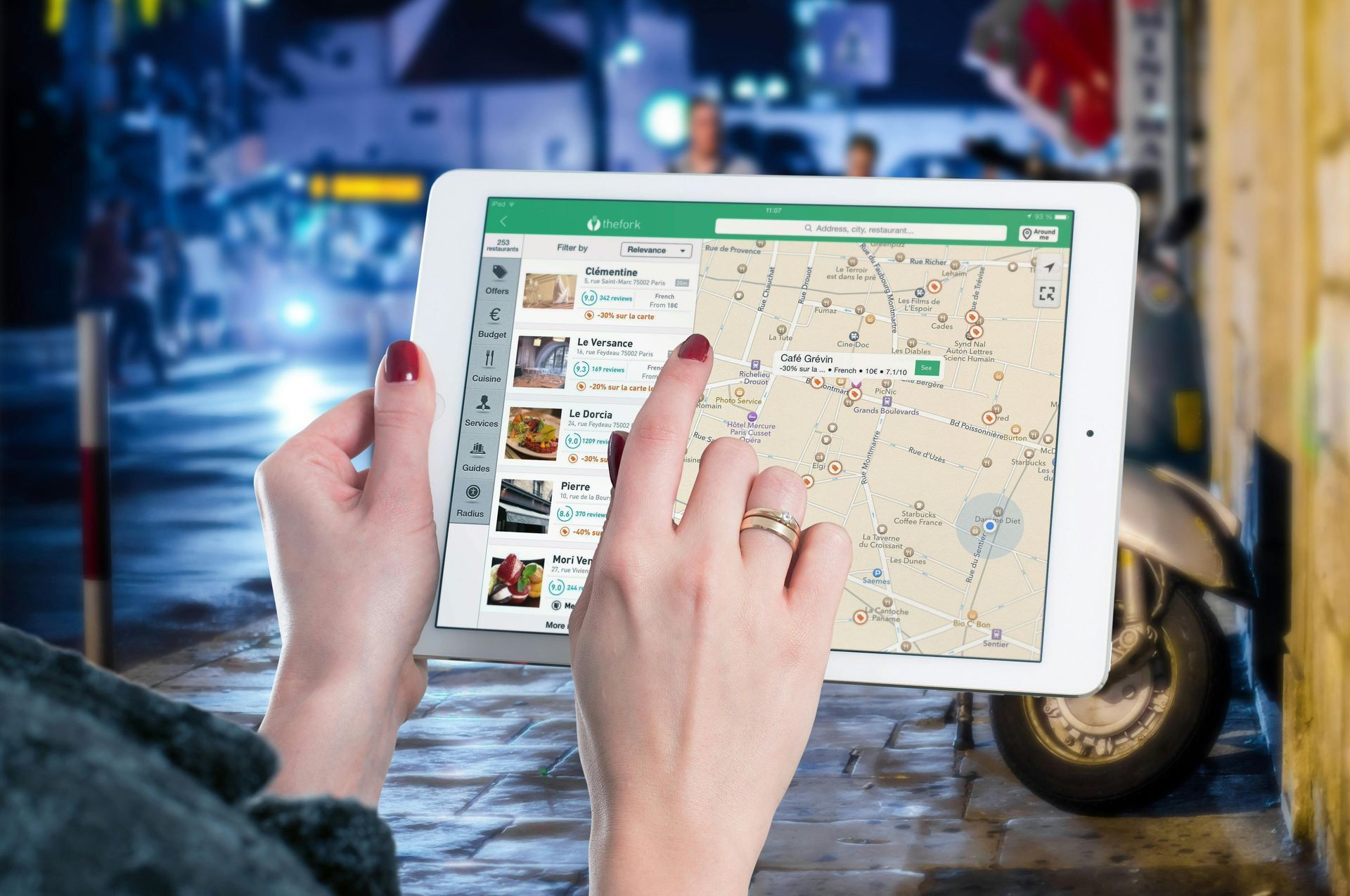
Your Google My Business (GMB) profile is a powerful tool for local SEO. It ensures your business shows up on Google Maps and in the local pack of search results.


How to Optimize GMB for Ecommerce


• Add your business name, address, phone number, and website (NAP information).

• Upload high-quality photos of your products or warehouse.

• Regularly post updates about new products or sales.


A well-optimized GMB profile builds trust and makes it easier for customers to find you. For a detailed guide, check out How to Set Up Google My Business for Small Businesses.


3. Create Location-Specific Content


Content marketing is a great way to target local customers. By creating blog posts, videos, or guides related to your area, you can establish your store as a local authority.


Ideas for Local Content


• Write about local events or holidays and how your products fit in.

• Share success stories of customers from your area.

• Create gift guides tailored to local trends or seasons.


For example, a jewelry store in Chicago could write a blog post titled “Top Engagement Ring Styles in Chicago for 2024.” Use local keywords naturally in your content to improve rankings.


4. Build Quality Backlinks


Backlinks—links from other websites to yours—are a major factor in local SEO rankings. They signal to search engines that your site is credible and relevant.


How to Earn Local Backlinks


• Partner with local bloggers or influencers to promote your products.

• Sponsor community events and ask for a link back to your site.

• Submit your business to local directories like Yelp or Chamber of Commerce listings.


Use tools like SEMrush and Ahrefs to track and improve your backlink profile.


5. Make Your Website Mobile-Friendly


More than half of all website traffic comes from mobile devices. If your eCommerce site isn’t mobile-friendly, you could lose potential customers.


Tips for Mobile Optimization


• Use a responsive design so your site adjusts to any screen size.

• Ensure your pages load quickly (aim for under three seconds).

• Simplify navigation and make checkout easy.


Test your site’s mobile performance with Google’s Mobile-Friendly Test.


6. Optimize Metadata and On-Page SEO


Metadata tells search engines what your pages are about. For local SEO, include location-based keywords in your:


• Page titles

• Meta descriptions

• Image alt text


Example of Optimized Metadata


Title: “Shop Handmade Scarves in Denver | Free Shipping!”

Meta Description: “Discover high-quality, handmade scarves from a trusted Denver boutique. Shop now for exclusive styles and local discounts.”


Tools like Screaming Frog SEO Spider can help you audit and improve your metadata.


7. Encourage Customer Reviews


Reviews are essential for building trust and improving local SEO rankings. Potential customers are more likely to choose a business with positive reviews.


How to Get More Reviews


• Ask satisfied customers to leave a review on Google, Yelp, or Facebook.

• Respond to every review—positive or negative—to show you value feedback.

• Offer small discounts or rewards in exchange for honest reviews.


Tools like Trustpilot or Broadly make it easy to manage reviews across platforms.


8. Use Social Media to Drive Local Engagement


Social media platforms like Instagram, Facebook, and TikTok are excellent for reaching local customers. Share updates about new products, promotions, or local events to keep your audience engaged.


Tips for Social Media Success


• Use location-based hashtags like #AustinFashion or #NYCBoutique.

• Post behind-the-scenes content to make your brand relatable.

• Run local contests or giveaways to attract followers.


FAQs About Ecommerce Local SEO


1. How Long Does It Take to See Results from Local SEO?

Local SEO can take a few weeks to several months to show results, depending on your competition and the effort you put into optimization.


2. Do Small Online Stores Need Local SEO?

Absolutely! Local SEO is one of the best ways for small online stores to compete with larger retailers and attract nearby customers.


3. Can Local SEO Work for Online-Only Stores?

Yes! Even if you don’t have a physical storefront, local SEO can help you target customers searching for products in your area.


Key Takeaways


• Focus on local keywords to attract nearby customers.

• Optimize your Google My Business profile to improve visibility.

• Create location-specific content and build high-quality backlinks.

• Ensure your site is mobile-friendly and optimized for on-page SEO.

• Use reviews and social media to engage with your local audience.


If you’re ready to take your local SEO to the next level, Pro Growe is here to help. Our team of experts can create a custom strategy tailored to your eCommerce business.


For more insights, check out:


How to Use Content Marketing to Drive Local SEO

Top SEO Tools to Improve Your Rankings


With the right strategies, local SEO can transform your eCommerce business, driving more leads and increasing sales. Start implementing these tips today, and watch your store thrive!
This Facebook widget is no longer supported.
google reviews
By Gary Mackay March 30, 2026
At Pro Growe, we help businesses across the country build compliant, high-performing local SEO strategies — from GBP optimization to full digital marketing campaigns. If you're ready to grow your review count and your rankings, let's talk.
google business profile chekclist
By Gary Mackay March 30, 2026
At Pro Growe, we help businesses across the country — from Dallas storefronts to nationwide service providers — build GBP profiles that rank, convert, and grow. If you'd like a free audit of your current profile, reach out to our team today.
By Gary Mackay January 31, 2026
Learn how homeowners decide who to trust before calling—and how local service businesses can build credibility online with SEO, reviews, and trust signals.
google maps
By Gary Mackay January 31, 2026
Discover why Google Maps delivers the highest-quality leads for plumbing and HVAC companies—and how to optimize your local presence to win more calls.
November 29, 2025
Why Your Plumbing SEO and HVAC SEO Strategy Isn’t Turning Website Traffic Into Calls
November 26, 2025
How These Five Tools Can Streamline Scheduling, Dispatching, and Customer Service
February 26, 2025
Local SEO for Landscapers: Affordable Solutions for Big Results
February 19, 2025
How Digital Marketing and Sales Work Together to Increase Leads and Revenue ๏ปฟ If you want your business to grow, you need more than just a good product—you need a way to reach the right customers and turn them into loyal buyers. That’s where digital marketing and sales come in. Digital marketing helps you attract potential customers online, while sales strategies turn those leads into paying clients. When these two work together, your business doesn’t just survive—it thrives. In this guide, we’ll break down how digital marketing and sales work hand in hand , the best strategies to use, and how to boost your revenue with smart online marketing techniques . Key Takeaways • Digital marketing and sales are essential for business growth. • Aligning your marketing and sales efforts increases revenue. • Social media is one of the best ways to engage customers. • Using data helps you personalize customer experiences and improve sales. • Future trends include AI-driven marketing and ethical branding strategies . What is Digital Marketing & Sales? Digital marketing is how businesses attract and connect with customers online . This includes: โœ” SEO (Search Engine Optimization) – So your website shows up on Google when customers search for your services. โœ” Social Media Marketing – Engaging potential customers on platforms like Facebook, Instagram, and LinkedIn . โœ” Email Marketing – Sending personalized emails to nurture leads. โœ” Paid Advertising – Running targeted ads on Google Ads or Facebook Ads . โœ” Content Marketing – Creating blogs, videos, and guides to build trust with potential customers. Sales is the process of turning those marketing efforts into actual purchases . The goal is to guide potential buyers through their decision-making process and convince them that your product or service is the best solution for their needs. ๐Ÿš€ When marketing and sales teams align, businesses grow faster, close more deals, and build long-term customer relationships. How Digital Marketing Has Changed Over Time Remember when pop-up ads were everywhere? Or when businesses only relied on print ads and billboards? Those days are gone. Modern digital marketing is all about personalized experiences. • Customers expect businesses to understand their needs and offer relevant content. • Social media has made it easier than ever for businesses to interact with customers in real time . • Data analytics allows companies to track customer behavior and optimize their marketing strategies. Example: A local pressure washing company that invests in SEO and Google Ads will get more online leads than one that still relies only on flyers or word-of-mouth. โžก๏ธ Read more: Why Local SEO is Essential for Service-Based Businesses How to Align Your Marketing & Sales for Maximum Impact If your marketing and sales teams don’t communicate, you’re missing out on potential revenue. Here’s how to get them working together: 1. Set Shared Goals Marketing and sales should aim for the same outcome— turning leads into customers . Define clear goals like: โœ” Increasing website traffic by 50% in 6 months. โœ” Boosting conversion rates by 10%. โœ” Growing social media engagement to increase brand trust. 2. Use the Right Technology Technology bridges the gap between marketing and sales by keeping customer information organized and tracking performance in real-time . โœ” CRM Software (like HubSpot or Salesforce ) helps track customer interactions. โœ” Marketing automation tools (like Mailchimp or ActiveCampaign ) make it easy to follow up with leads. 3. Create a Smooth Customer Journey Customers should have a consistent experience from the first ad they see to their final purchase. โœ” Use retargeting ads to bring back website visitors. โœ” Send personalized follow-up emails to nurture leads. โœ” Provide excellent customer support so buyers feel valued. How Social Media Helps Businesses Sell More Social media isn’t just for entertainment—it’s a powerful sales tool when used correctly. Choosing the Best Platforms โœ” Facebook & Instagram – Great for local businesses, home services, and eCommerce. โœ” LinkedIn – Best for B2B businesses and professional services. โœ” TikTok & YouTube – Ideal for video marketing and brand awareness. ๐Ÿ’ก Example: A landscaping company that posts before-and-after photos on Instagram and runs Facebook ads will attract more customers than one that only relies on word-of-mouth. Creating Engaging Social Media Content โœ” Videos & Reels – Show off your products or services in action. โœ” Behind-the-scenes posts – Build brand trust. โœ” Customer testimonials – Show social proof to build credibility. โžก๏ธ Need help with social media marketing? Check out Social Media Strategies for Small Businesses . The Power of Data-Driven Marketing Want better results? Start tracking your data. • Google Analytics helps you see where your traffic comes from. • Facebook Pixel tracks conversions from your ads. • Heatmaps (like Hotjar) show how visitors interact with your site. By analyzing customer data, you can: โœ” Improve your SEO by knowing which keywords drive the most traffic. โœ” Send personalized email campaigns that convert. โœ” Optimize your ads for higher ROI. ๐Ÿš€ Using data helps you spend less while getting better results. Common Digital Marketing Challenges & How to Solve Them 1. Changing SEO Algorithms Problem: Google updates its algorithm frequently, affecting rankings. โœ… Solution: Keep your website optimized with high-quality content and natural backlinks from authority sites (Moz & Ahrefs). 2. Standing Out in a Crowded Market Problem: Everyone is advertising online, making it hard to compete. โœ… Solution: Focus on long-tail keywords and niche marketing to reach the right audience. 3. Rising Advertising Costs Problem: Google and Facebook ad prices keep going up. โœ… Solution: Invest in SEO and organic traffic strategies to reduce dependency on paid ads. โžก๏ธ How to Get More Leads Without Spending a Fortune on Ads What’s Next for Digital Marketing? ๐Ÿš€ AI-powered marketing: Businesses are using AI to personalize ads and chatbots to automate customer service . ๐Ÿ“ฒ Augmented Reality (AR): Companies like IKEA use AR to let customers “preview” furniture in their homes. ๐ŸŒฑ Sustainable branding: Consumers now prefer eco-friendly and ethical brands. Staying ahead of these trends will give your business a competitive edge. Final Thoughts: Why Digital Marketing & Sales Matter Marketing and sales aren’t just about making money—they’re about building relationships with your customers . By using smart digital marketing strategies, aligning your sales team, and leveraging social media , your business can attract the right audience, close more deals, and scale sustainably . Want to dominate your local market with SEO and digital marketing? Contact Pro Growe today and let’s make it happen. FAQs 1. What’s the difference between digital marketing and sales? Marketing attracts potential customers, while sales closes the deal and turns leads into paying clients. 2. How can social media help my business? Social media increases brand visibility , helps build trust, and drives sales with targeted advertising . 3. Why is SEO important? SEO helps your website rank higher on Google, bringing in organic traffic without paid ads. 4. What’s the best way to generate leads online? SEO, Google Ads , Facebook Ads , and email marketing are all effective ways to get more leads. This revised version includes long-tail keywords, internal & external links, a conversational tone, and a human-like flow —perfect for Pro Growe’s audience. Let me know if you want any tweaks! ๐Ÿš€
By Gary Mackay January 14, 2025
Discover how AI, influencer marketing, and short-form video content are revolutionizing business promotion in 2025.
By Gary Mackay January 10, 2025
This is a subtitle for your new post