8 Local SEO Pain Points Small Business Owners Face and How to Overcome Them

November 12, 2024

Top Local SEO Pain Points for Small Business Owners and Proven Solutions

As a small business owner, managing your local SEO and website can be challenging. From limited resources to understanding complex SEO practices, many small business owners find it overwhelming. Yet, a solid local SEO strategy is essential to reach nearby customers and grow your business. Here, we address the top pain points in local SEO and website management for small businesses, offering proven solutions to overcome them.


1. Limited Time and Resources for Local SEO


Many small business owners struggle to prioritize SEO due to limited time and budget. In fact, a survey from the Small Business Administration found that 60% of small business owners work more than 50 hours per week on various business tasks, leaving little time for digital marketing initiatives like SEO (SBA). Given the ongoing nature of SEO—optimizing keywords, managing listings, and responding to reviews—managing this process alone can feel impossible without a dedicated team.


Solution: One option is to outsource your SEO to a professional digital marketing agency. By doing so, you save time and ensure your website is continuously optimized, giving you more freedom to focus on other aspects of running your business.


2. Navigating Complex SEO Concepts and Algorithm Changes


SEO can feel intimidating with its technical terms and frequent Google updates. For example, concepts like “backlinks,” “meta descriptions,” and “structured data” might seem like another language if you’re not well-versed in digital marketing. Additionally, Google’s algorithm changes can significantly impact search rankings; in 2023 alone, Google made over 5,000 updates, impacting how businesses rank online (Search Engine Journal).


Solution: Start by mastering SEO basics, such as keyword optimization, Google My Business, and customer reviews. Working with SEO professionals is also a great way to stay up-to-date without having to navigate SEO changes on your own.


3. Competing for Local Search Visibility


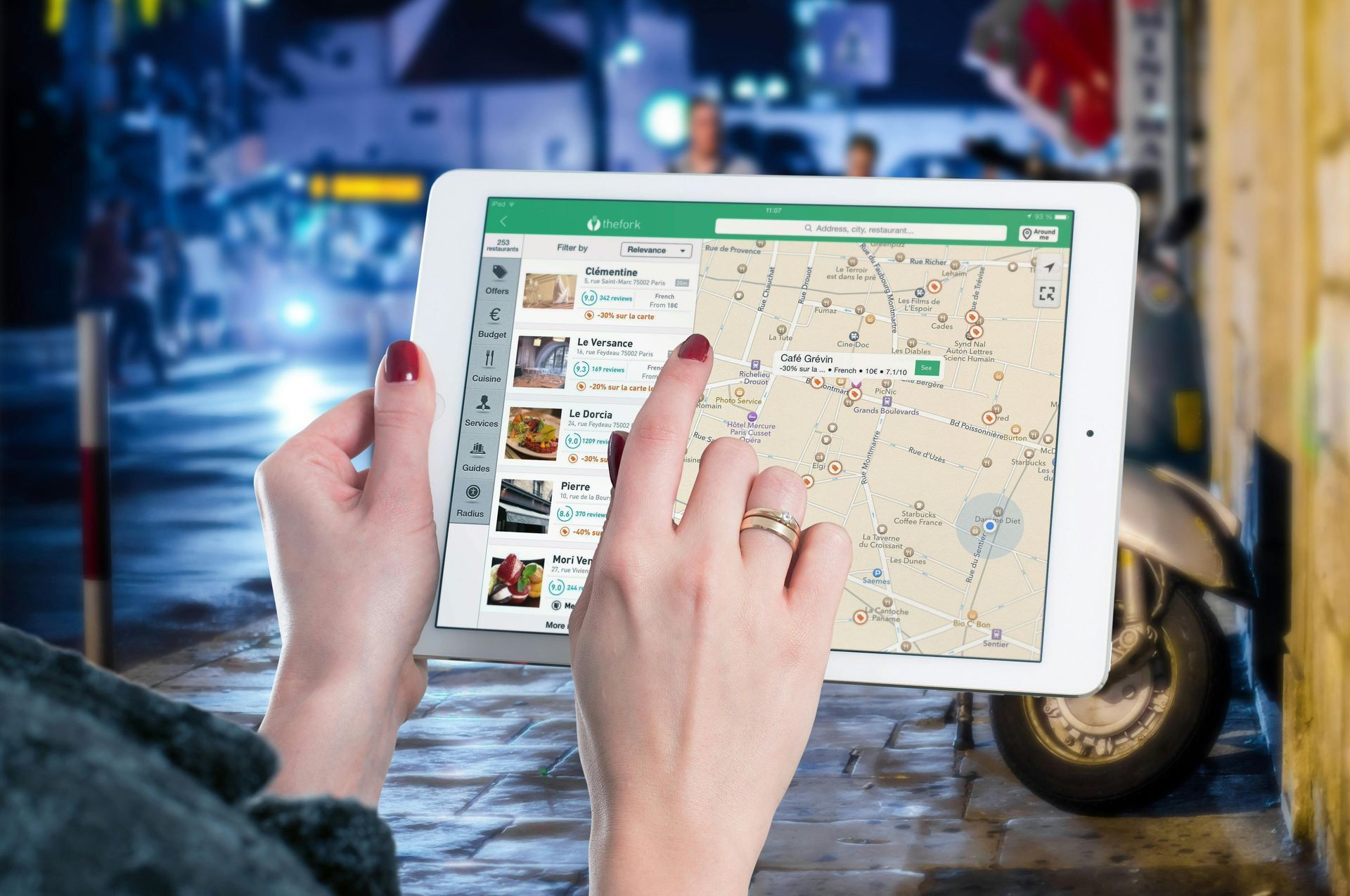
Standing out in local search results, especially on Google Maps and in “near me” searches, is essential for small businesses. However, competition from similar businesses can make securing a top spot challenging. Data shows that the first five listings on Google receive 67% of all clicks, meaning lower-ranking businesses miss out on valuable traffic (Backlinko).


Solution: To improve your local search visibility, fully optimize your Google My Business profile by verifying your address, updating your business hours, and adding quality images. Focus on location-based keywords like “affordable fencing installation in New York.” For help securing a competitive edge in search, learn more about our local SEO services.


4. Managing Online Reviews and Building a Positive Reputation


For small businesses, online reviews significantly impact SEO and customer trust. Research shows that 93% of customers read online reviews before purchasing, and businesses with a high rating attract more customers (BrightLocal). However, managing and responding to reviews is time-consuming, especially for small business owners.


Solution: Prioritize responding to reviews, both positive and negative. For negative feedback, respond professionally and try to resolve issues to protect your reputation. Encourage satisfied customers to leave positive reviews. If managing reviews is challenging, consider a reputation management service to simplify the process.


5. Outdated, Slow, or Unresponsive Website


A poorly optimized website not only deters potential customers but also affects local SEO. Research shows that 53% of users abandon a site if it takes longer than 3 seconds to load, and Google ranks fast, mobile-friendly sites higher in search results (Think with Google). Unfortunately, many small business websites lack mobile-friendliness or suffer from slow load times.


Solution: Regularly test your website’s performance on mobile and desktop devices. Small changes, such as optimizing images and reducing excess code, can significantly improve load times. Pro Growe’s web design services focus on optimizing your website for both user experience and SEO.


6. Inconsistent or Incomplete Online Listings


Accurate listings across online directories like Google My Business, Yelp, and Bing Places are critical for local SEO. Inconsistent listings can confuse potential customers and harm your local rankings. According to Moz, incomplete or inaccurate citations can account for up to 13% of local ranking factors (Moz).


Solution: Use a local listing management tool or service to ensure your business information is accurate across all major directories. Double-check key details like your business name, address, and phone number. Explore our local listing management services if you need support in keeping your online information consistent.


7. Tracking SEO Results and Proving ROI


One of the biggest challenges with SEO is proving the return on investment (ROI). Unlike traditional ads, SEO results are gradual, making it difficult to track immediate returns. This can lead to frustration, especially for small businesses. A survey by HubSpot found that only 42% of small business owners felt they could accurately measure their SEO ROI (HubSpot).


Solution: Use analytics tools like Google Analytics and Google Search Console to track visitor behavior, keyword rankings, and page performance. Partnering with an SEO expert can also provide you with monthly performance reports, giving you insight into which strategies are working best.


8. Creating Consistent, High-Quality Content


Creating valuable content, like blog posts or product descriptions, is crucial for SEO. Consistently producing quality content, however, can be time-consuming. Content Marketing Institute found that 60% of small business owners struggle to create enough content, even though it’s essential for engaging customers and boosting SEO (Content Marketing Institute).


Solution: Focus on creating content that answers common questions from your target audience, such as service guides or FAQs. If you’re short on time or need expertise, Pro Growe’s content marketing services can help you publish quality content consistently, increasing your online visibility.


Final Thoughts


Navigating local SEO and website management doesn’t have to be overwhelming. By addressing these common pain points, small business owners can improve their local SEO performance, attract more local customers, and drive growth. Whether you’re struggling with time management, measuring SEO ROI, or staying updated on industry changes, the right strategies can help.


Ready to take control of your local SEO? Contact Pro Growe today to discuss how we can enhance your local presence and make SEO manageable for your business.

This Facebook widget is no longer supported.
google reviews
By Gary Mackay March 30, 2026
At Pro Growe, we help businesses across the country build compliant, high-performing local SEO strategies — from GBP optimization to full digital marketing campaigns. If you're ready to grow your review count and your rankings, let's talk.
google business profile chekclist
By Gary Mackay March 30, 2026
At Pro Growe, we help businesses across the country — from Dallas storefronts to nationwide service providers — build GBP profiles that rank, convert, and grow. If you'd like a free audit of your current profile, reach out to our team today.
By Gary Mackay January 31, 2026
Learn how homeowners decide who to trust before calling—and how local service businesses can build credibility online with SEO, reviews, and trust signals.
google maps
By Gary Mackay January 31, 2026
Discover why Google Maps delivers the highest-quality leads for plumbing and HVAC companies—and how to optimize your local presence to win more calls.
November 29, 2025
Why Your Plumbing SEO and HVAC SEO Strategy Isn’t Turning Website Traffic Into Calls
November 26, 2025
How These Five Tools Can Streamline Scheduling, Dispatching, and Customer Service
February 26, 2025
Local SEO for Landscapers: Affordable Solutions for Big Results
February 19, 2025
How Digital Marketing and Sales Work Together to Increase Leads and Revenue ๏ปฟ If you want your business to grow, you need more than just a good product—you need a way to reach the right customers and turn them into loyal buyers. That’s where digital marketing and sales come in. Digital marketing helps you attract potential customers online, while sales strategies turn those leads into paying clients. When these two work together, your business doesn’t just survive—it thrives. In this guide, we’ll break down how digital marketing and sales work hand in hand , the best strategies to use, and how to boost your revenue with smart online marketing techniques . Key Takeaways • Digital marketing and sales are essential for business growth. • Aligning your marketing and sales efforts increases revenue. • Social media is one of the best ways to engage customers. • Using data helps you personalize customer experiences and improve sales. • Future trends include AI-driven marketing and ethical branding strategies . What is Digital Marketing & Sales? Digital marketing is how businesses attract and connect with customers online . This includes: โœ” SEO (Search Engine Optimization) – So your website shows up on Google when customers search for your services. โœ” Social Media Marketing – Engaging potential customers on platforms like Facebook, Instagram, and LinkedIn . โœ” Email Marketing – Sending personalized emails to nurture leads. โœ” Paid Advertising – Running targeted ads on Google Ads or Facebook Ads . โœ” Content Marketing – Creating blogs, videos, and guides to build trust with potential customers. Sales is the process of turning those marketing efforts into actual purchases . The goal is to guide potential buyers through their decision-making process and convince them that your product or service is the best solution for their needs. ๐Ÿš€ When marketing and sales teams align, businesses grow faster, close more deals, and build long-term customer relationships. How Digital Marketing Has Changed Over Time Remember when pop-up ads were everywhere? Or when businesses only relied on print ads and billboards? Those days are gone. Modern digital marketing is all about personalized experiences. • Customers expect businesses to understand their needs and offer relevant content. • Social media has made it easier than ever for businesses to interact with customers in real time . • Data analytics allows companies to track customer behavior and optimize their marketing strategies. Example: A local pressure washing company that invests in SEO and Google Ads will get more online leads than one that still relies only on flyers or word-of-mouth. โžก๏ธ Read more: Why Local SEO is Essential for Service-Based Businesses How to Align Your Marketing & Sales for Maximum Impact If your marketing and sales teams don’t communicate, you’re missing out on potential revenue. Here’s how to get them working together: 1. Set Shared Goals Marketing and sales should aim for the same outcome— turning leads into customers . Define clear goals like: โœ” Increasing website traffic by 50% in 6 months. โœ” Boosting conversion rates by 10%. โœ” Growing social media engagement to increase brand trust. 2. Use the Right Technology Technology bridges the gap between marketing and sales by keeping customer information organized and tracking performance in real-time . โœ” CRM Software (like HubSpot or Salesforce ) helps track customer interactions. โœ” Marketing automation tools (like Mailchimp or ActiveCampaign ) make it easy to follow up with leads. 3. Create a Smooth Customer Journey Customers should have a consistent experience from the first ad they see to their final purchase. โœ” Use retargeting ads to bring back website visitors. โœ” Send personalized follow-up emails to nurture leads. โœ” Provide excellent customer support so buyers feel valued. How Social Media Helps Businesses Sell More Social media isn’t just for entertainment—it’s a powerful sales tool when used correctly. Choosing the Best Platforms โœ” Facebook & Instagram – Great for local businesses, home services, and eCommerce. โœ” LinkedIn – Best for B2B businesses and professional services. โœ” TikTok & YouTube – Ideal for video marketing and brand awareness. ๐Ÿ’ก Example: A landscaping company that posts before-and-after photos on Instagram and runs Facebook ads will attract more customers than one that only relies on word-of-mouth. Creating Engaging Social Media Content โœ” Videos & Reels – Show off your products or services in action. โœ” Behind-the-scenes posts – Build brand trust. โœ” Customer testimonials – Show social proof to build credibility. โžก๏ธ Need help with social media marketing? Check out Social Media Strategies for Small Businesses . The Power of Data-Driven Marketing Want better results? Start tracking your data. • Google Analytics helps you see where your traffic comes from. • Facebook Pixel tracks conversions from your ads. • Heatmaps (like Hotjar) show how visitors interact with your site. By analyzing customer data, you can: โœ” Improve your SEO by knowing which keywords drive the most traffic. โœ” Send personalized email campaigns that convert. โœ” Optimize your ads for higher ROI. ๐Ÿš€ Using data helps you spend less while getting better results. Common Digital Marketing Challenges & How to Solve Them 1. Changing SEO Algorithms Problem: Google updates its algorithm frequently, affecting rankings. โœ… Solution: Keep your website optimized with high-quality content and natural backlinks from authority sites (Moz & Ahrefs). 2. Standing Out in a Crowded Market Problem: Everyone is advertising online, making it hard to compete. โœ… Solution: Focus on long-tail keywords and niche marketing to reach the right audience. 3. Rising Advertising Costs Problem: Google and Facebook ad prices keep going up. โœ… Solution: Invest in SEO and organic traffic strategies to reduce dependency on paid ads. โžก๏ธ How to Get More Leads Without Spending a Fortune on Ads What’s Next for Digital Marketing? ๐Ÿš€ AI-powered marketing: Businesses are using AI to personalize ads and chatbots to automate customer service . ๐Ÿ“ฒ Augmented Reality (AR): Companies like IKEA use AR to let customers “preview” furniture in their homes. ๐ŸŒฑ Sustainable branding: Consumers now prefer eco-friendly and ethical brands. Staying ahead of these trends will give your business a competitive edge. Final Thoughts: Why Digital Marketing & Sales Matter Marketing and sales aren’t just about making money—they’re about building relationships with your customers . By using smart digital marketing strategies, aligning your sales team, and leveraging social media , your business can attract the right audience, close more deals, and scale sustainably . Want to dominate your local market with SEO and digital marketing? Contact Pro Growe today and let’s make it happen. FAQs 1. What’s the difference between digital marketing and sales? Marketing attracts potential customers, while sales closes the deal and turns leads into paying clients. 2. How can social media help my business? Social media increases brand visibility , helps build trust, and drives sales with targeted advertising . 3. Why is SEO important? SEO helps your website rank higher on Google, bringing in organic traffic without paid ads. 4. What’s the best way to generate leads online? SEO, Google Ads , Facebook Ads , and email marketing are all effective ways to get more leads. This revised version includes long-tail keywords, internal & external links, a conversational tone, and a human-like flow —perfect for Pro Growe’s audience. Let me know if you want any tweaks! ๐Ÿš€
By Gary Mackay January 14, 2025
Discover how AI, influencer marketing, and short-form video content are revolutionizing business promotion in 2025.
By Gary Mackay January 10, 2025
This is a subtitle for your new post