5 Automation Tools Plumbing and HVAC Companies Should Be Using in 2026

November 26, 2025

How These Five Tools Can Streamline Scheduling, Dispatching, and Customer Service

Upgrade Your Plumbing and HVAC Workflow with These High-Impact Tools for 2026


As the plumbing and HVAC industries continue to evolve, automation is becoming essential for companies looking to stay competitive. In 2026, automation tools will become a necessity. With increasing customer expectations and a growing demand for faster service, plumbing and HVAC companies need technology that streamlines operations and enhances the customer experience.


While automation can streamline your operations, it’s also important to optimize your local visibility and marketing strategies. For more tips on improving local search rankings and attracting more customers, check out our Local SEO for SMBs.


Let's explore five essential automation tools that will help your business save time, reduce errors, and ultimately boost your revenue.


Why Automation Is Key for Plumbing and HVAC Companies


Automation offers numerous benefits, particularly for service-based industries like plumbing and HVAC. By integrating the right tools into your workflow, you can:

  • Increase Efficiency: Automate repetitive tasks such as scheduling, invoicing, and follow-ups to reduce manual labor.
  • Improve Customer Experience: Automate communication to ensure timely responses and follow-ups with customers.
  • Enhance Lead Generation: Use automation to follow up with leads quickly, increasing the likelihood of conversions.
  • Boost Profitability: Streamlining processes saves time, reduces overhead costs, and improves your bottom line.


Essential 2026 Automation Technologies To Boost Your Service Company 


With the right automation tools, you can do all this while offering your customers the best possible service. Let’s dive into the 5 essential tools every plumbing and HVAC company should consider.


1. Automated Scheduling and Appointment Booking


Why It Matters:
Managing appointments manually can lead to scheduling conflicts, missed appointments, and wasted time. An automated scheduling tool can sync with your team’s calendar, send confirmation and reminder emails, and even allow customers to book appointments online.


How It Works:
Customers can view your availability in real-time and book appointments directly through your website or a mobile app. Automated reminders are sent via text and email, reducing no-shows and late cancellations. You can integrate this tool with your CRM or project management system for seamless scheduling and task management.


Examples:

  • Housecall Pro allows customers to book appointments directly through your website, while sending automated reminders via email and text.
  • Jobber lets customers pick available time slots, syncing appointments automatically with your team’s calendar.

✅Pro Tip:
Look for software that integrates with your existing systems (CRM, invoicing, etc.) for smooth workflows.


2. Lead Follow-Up Automation


Why It Matters:
Plumbing and HVAC companies often lose leads due to delayed follow-ups. Using automation to nurture leads ensures that no potential customer slips through the cracks. Timely follow-ups help convert inquiries into bookings.


How It Works:
When a lead comes in through your website, social media, or phone, automation software can trigger an instant follow-up email or text message. Follow-ups can include personalized messages, appointment scheduling, or special promotions. You can set up automated sequences for different stages in the lead journey, from inquiry to post-service surveys.


Examples:

  • ServiceTitan automates follow-up messages to leads with personalized content, such as discounts or service reminders, driving them toward booking an appointment.
  • HoneyBook automates lead responses, sending tailored follow-up emails after an initial inquiry, helping convert more leads into customers.


✅Pro Tip:
Set up automated workflows to nurture leads who are not ready to book yet, keeping them engaged until they are ready to schedule a service.


Automated follow-ups help convert leads into customers, but they also work hand-in-hand with a solid marketing strategy. Learn how to maximize your return on investment with effective digital marketing in our post on Top Strategies for Maximizing Your Digital Marketing ROI.


3. Customer Communication Automation (Text and Email Reminders)


Why It Matters:
Effective communication is crucial in service industries. Automation helps ensure that your team stays in touch with customers, reducing the chances of missed appointments and improving overall customer satisfaction.


How It Works:
Automated reminders for upcoming appointments, special offers, or seasonal maintenance can be sent via text or email. You can automate responses to common customer questions, saving time for your team and providing customers with immediate answers. Integrating automated chatbots on your website can help answer questions 24/7, even when your office is closed.


Examples:

  • Twilio allows you to set up automated text reminders for appointment confirmations, reducing no-shows and keeping customers informed.
  • SendGrid automates email reminders and service updates, ensuring your customers receive timely notifications.


✅Pro Tip:
Use text message reminders for a higher open rate, as texts have a
98% open rate compared to emails.


4. Invoice and Payment Automation


Why It Matters:
Manual invoicing and payment processing can be time-consuming and prone to errors. Automating these processes reduces administrative workload and speeds up payment collection.


How It Works:
Once a service is completed, automated invoicing software can generate and send invoices to customers. You can set up payment reminders for outstanding balances and even offer online payment options, making it easy for customers to pay directly through a secure portal. Automating your billing processes also helps with accounting, allowing for accurate financial records and quicker tax filings.


Examples:

  • QuickBooks automatically generates and sends invoices to your customers, allowing for online payments through secure links.
  • Wave sends recurring billing invoices automatically and gives customers the option to pay instantly via credit card or bank transfer.


✅Pro Tip:
Look for invoicing tools that can integrate with accounting software like QuickBooks to streamline your financial processes.


5. CRM Software for HVAC and Plumbing Companies


Why It Matters:
A CRM (Customer Relationship Management) tool centralizes customer data, including contact details, service history, and preferences. It’s a powerful tool for managing relationships and automating marketing efforts.


How It Works:
CRMs store all customer interactions, from service requests to completed jobs, enabling you to track everything in one place. You can automate marketing campaigns, like follow-up emails after a service or offers for repeat business. Segmenting customers based on their needs (e.g., maintenance, repair, installation) allows for more targeted and effective outreach.


Examples:

  • ServiceM8 tracks all customer interactions and automatically sends follow-up messages after each service, ensuring consistent communication.
  • Zoho CRM automates customer outreach with post-service emails and promotional offers, based on their service history or preferences.


✅Pro Tip:
Integrate your CRM with your scheduling and invoicing systems for a comprehensive view of each customer’s journey.


How to Choose the Right Automation Tools for Your Business


Choosing the right automation tools for your plumbing or HVAC company depends on your business size, needs, and budget. Here are some key factors to consider:


✅Integration: Make sure the tool can integrate with your existing software (CRM, scheduling, billing).

✅Ease of Use: Look for user-friendly platforms with minimal learning curves for you and your team.

✅Customer Support: Choose tools with reliable customer support to help with setup and troubleshooting.

✅Cost: Many automation tools offer scalable pricing plans based on your business size, so choose one that fits your budget while offering the features you need.


Ready to Automate Your Plumbing or HVAC Business?

If you’re ready to embrace automation and take your plumbing or HVAC business to the next level in 2026, Pro Growe can help. Contact us today to discover how we can assist you in selecting the ideal automation tools for your specific needs and help streamline your operations.


Want to take your lead generation systems to the next level with local SEO? Explore our post on How Local SEO Can Impact Your Lead Generation to align your automation with smart marketing that drives growth.

November 29, 2025
Why Your Plumbing SEO and HVAC SEO Strategy Isn’t Turning Website Traffic Into Calls
February 26, 2025
Local SEO for Landscapers: Affordable Solutions for Big Results
February 19, 2025
How Digital Marketing and Sales Work Together to Increase Leads and Revenue  If you want your business to grow, you need more than just a good product—you need a way to reach the right customers and turn them into loyal buyers. That’s where digital marketing and sales come in. Digital marketing helps you attract potential customers online, while sales strategies turn those leads into paying clients. When these two work together, your business doesn’t just survive—it thrives. In this guide, we’ll break down how digital marketing and sales work hand in hand , the best strategies to use, and how to boost your revenue with smart online marketing techniques . Key Takeaways • Digital marketing and sales are essential for business growth. • Aligning your marketing and sales efforts increases revenue. • Social media is one of the best ways to engage customers. • Using data helps you personalize customer experiences and improve sales. • Future trends include AI-driven marketing and ethical branding strategies . What is Digital Marketing & Sales? Digital marketing is how businesses attract and connect with customers online . This includes: ✔ SEO (Search Engine Optimization) – So your website shows up on Google when customers search for your services. ✔ Social Media Marketing – Engaging potential customers on platforms like Facebook, Instagram, and LinkedIn . ✔ Email Marketing – Sending personalized emails to nurture leads. ✔ Paid Advertising – Running targeted ads on Google Ads or Facebook Ads . ✔ Content Marketing – Creating blogs, videos, and guides to build trust with potential customers. Sales is the process of turning those marketing efforts into actual purchases . The goal is to guide potential buyers through their decision-making process and convince them that your product or service is the best solution for their needs. 🚀 When marketing and sales teams align, businesses grow faster, close more deals, and build long-term customer relationships. How Digital Marketing Has Changed Over Time Remember when pop-up ads were everywhere? Or when businesses only relied on print ads and billboards? Those days are gone. Modern digital marketing is all about personalized experiences. • Customers expect businesses to understand their needs and offer relevant content. • Social media has made it easier than ever for businesses to interact with customers in real time . • Data analytics allows companies to track customer behavior and optimize their marketing strategies. Example: A local pressure washing company that invests in SEO and Google Ads will get more online leads than one that still relies only on flyers or word-of-mouth. ➡️ Read more: Why Local SEO is Essential for Service-Based Businesses How to Align Your Marketing & Sales for Maximum Impact If your marketing and sales teams don’t communicate, you’re missing out on potential revenue. Here’s how to get them working together: 1. Set Shared Goals Marketing and sales should aim for the same outcome— turning leads into customers . Define clear goals like: ✔ Increasing website traffic by 50% in 6 months. ✔ Boosting conversion rates by 10%. ✔ Growing social media engagement to increase brand trust. 2. Use the Right Technology Technology bridges the gap between marketing and sales by keeping customer information organized and tracking performance in real-time . ✔ CRM Software (like HubSpot or Salesforce ) helps track customer interactions. ✔ Marketing automation tools (like Mailchimp or ActiveCampaign ) make it easy to follow up with leads. 3. Create a Smooth Customer Journey Customers should have a consistent experience from the first ad they see to their final purchase. ✔ Use retargeting ads to bring back website visitors. ✔ Send personalized follow-up emails to nurture leads. ✔ Provide excellent customer support so buyers feel valued. How Social Media Helps Businesses Sell More Social media isn’t just for entertainment—it’s a powerful sales tool when used correctly. Choosing the Best Platforms ✔ Facebook & Instagram – Great for local businesses, home services, and eCommerce. ✔ LinkedIn – Best for B2B businesses and professional services. ✔ TikTok & YouTube – Ideal for video marketing and brand awareness. 💡 Example: A landscaping company that posts before-and-after photos on Instagram and runs Facebook ads will attract more customers than one that only relies on word-of-mouth. Creating Engaging Social Media Content ✔ Videos & Reels – Show off your products or services in action. ✔ Behind-the-scenes posts – Build brand trust. ✔ Customer testimonials – Show social proof to build credibility. ➡️ Need help with social media marketing? Check out Social Media Strategies for Small Businesses . The Power of Data-Driven Marketing Want better results? Start tracking your data. • Google Analytics helps you see where your traffic comes from. • Facebook Pixel tracks conversions from your ads. • Heatmaps (like Hotjar) show how visitors interact with your site. By analyzing customer data, you can: ✔ Improve your SEO by knowing which keywords drive the most traffic. ✔ Send personalized email campaigns that convert. ✔ Optimize your ads for higher ROI. 🚀 Using data helps you spend less while getting better results. Common Digital Marketing Challenges & How to Solve Them 1. Changing SEO Algorithms Problem: Google updates its algorithm frequently, affecting rankings. ✅ Solution: Keep your website optimized with high-quality content and natural backlinks from authority sites (Moz & Ahrefs). 2. Standing Out in a Crowded Market Problem: Everyone is advertising online, making it hard to compete. ✅ Solution: Focus on long-tail keywords and niche marketing to reach the right audience. 3. Rising Advertising Costs Problem: Google and Facebook ad prices keep going up. ✅ Solution: Invest in SEO and organic traffic strategies to reduce dependency on paid ads. ➡️ How to Get More Leads Without Spending a Fortune on Ads What’s Next for Digital Marketing? 🚀 AI-powered marketing: Businesses are using AI to personalize ads and chatbots to automate customer service . 📲 Augmented Reality (AR): Companies like IKEA use AR to let customers “preview” furniture in their homes. 🌱 Sustainable branding: Consumers now prefer eco-friendly and ethical brands. Staying ahead of these trends will give your business a competitive edge. Final Thoughts: Why Digital Marketing & Sales Matter Marketing and sales aren’t just about making money—they’re about building relationships with your customers . By using smart digital marketing strategies, aligning your sales team, and leveraging social media , your business can attract the right audience, close more deals, and scale sustainably . Want to dominate your local market with SEO and digital marketing? Contact Pro Growe today and let’s make it happen. FAQs 1. What’s the difference between digital marketing and sales? Marketing attracts potential customers, while sales closes the deal and turns leads into paying clients. 2. How can social media help my business? Social media increases brand visibility , helps build trust, and drives sales with targeted advertising . 3. Why is SEO important? SEO helps your website rank higher on Google, bringing in organic traffic without paid ads. 4. What’s the best way to generate leads online? SEO, Google Ads , Facebook Ads , and email marketing are all effective ways to get more leads. This revised version includes long-tail keywords, internal & external links, a conversational tone, and a human-like flow —perfect for Pro Growe’s audience. Let me know if you want any tweaks! 🚀
By Gary Mackay January 14, 2025
Discover how AI, influencer marketing, and short-form video content are revolutionizing business promotion in 2025.
By Gary Mackay January 10, 2025
This is a subtitle for your new post
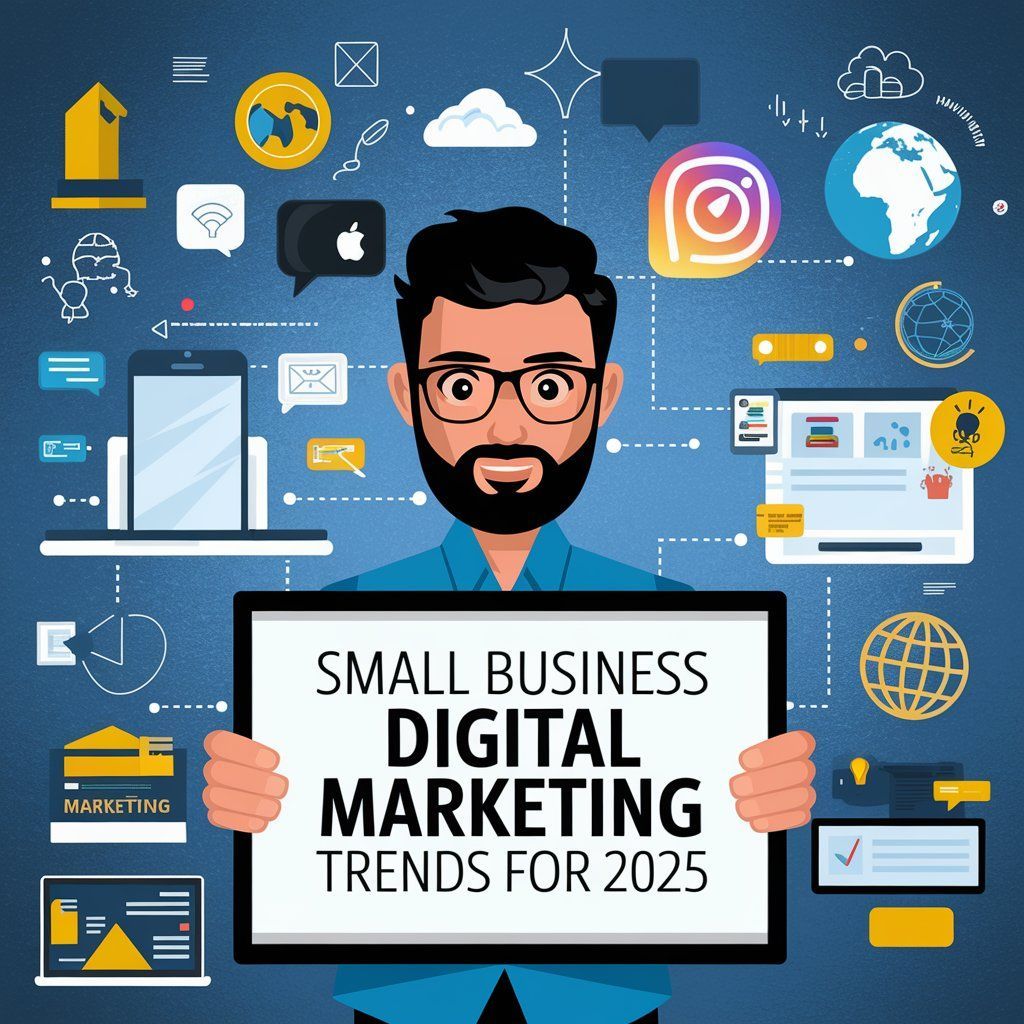
A man is holding a sign that says small business digital marketing trends for 2025.
By Gary Mackay January 8, 2025
SEO Strategies for Small Businesses in 2025
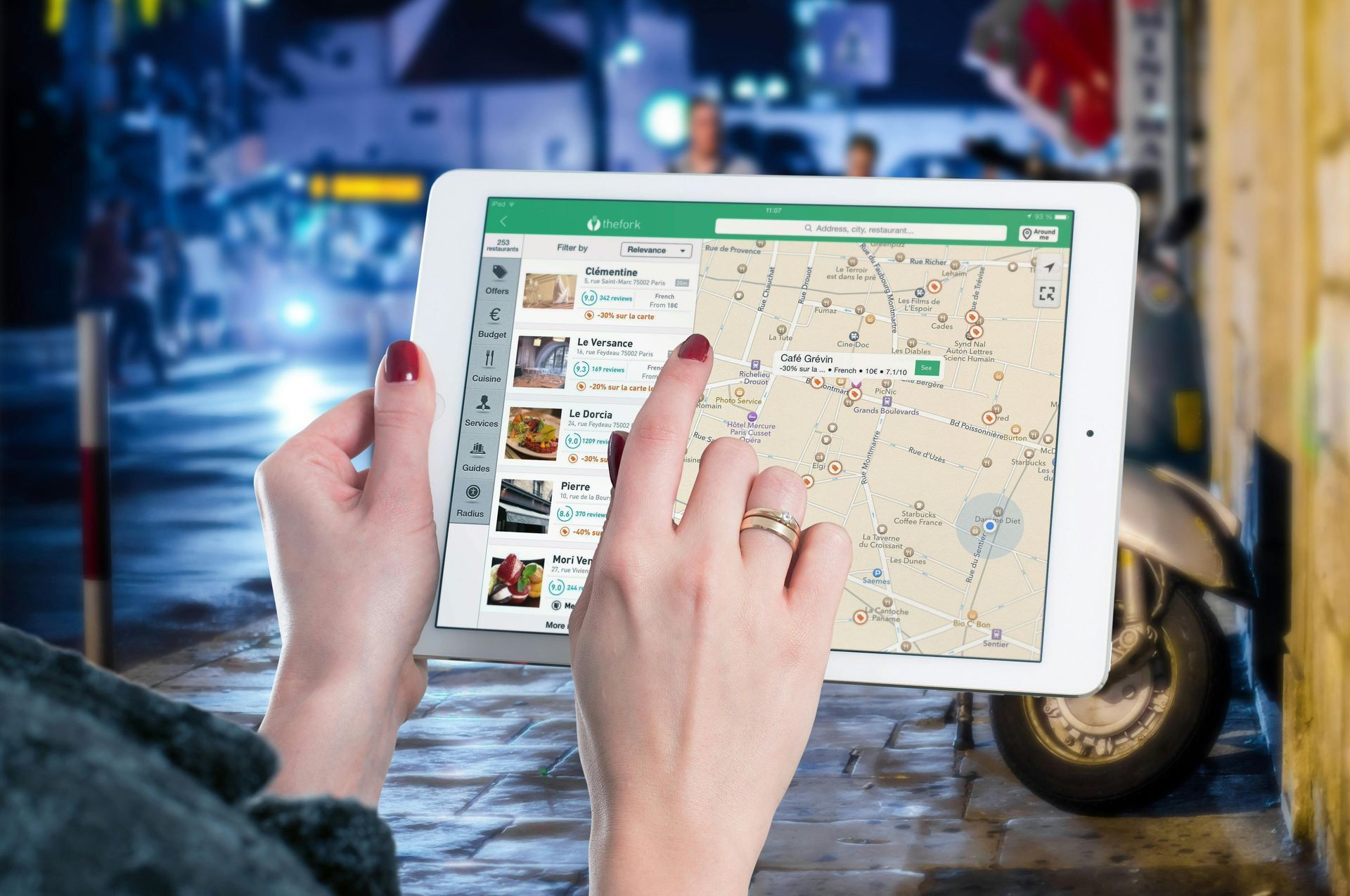
A person is holding a cell phone with a map on it.
By Gary Mackay January 6, 2025
The Power of ‘Near Me’ Searches: How Local SEO Drives Business Growth Running a local business? You know how important it is to get noticed online. With more people searching for services “near me,” standing out in local search results is a must. That’s where local SEO comes in. It helps your business appear at the right time—when potential customers are looking for what you offer. Let’s explore why local SEO is so essential and how you can choose the right service to grow your business. Why Local SEO Matters The Shift to Local Search Local SEO is like having a digital signpost that says, “We’re here, and we’ve got what you need!” More than 91% of consumers use search engines to find local businesses, according to BrightLocal. Imagine owning a bakery in Austin. When someone nearby types “best cupcakes near me,” your business could be the first thing they see—if your local SEO is dialed in. The ‘Near Me’ Boom Searches like “plumber near me” or “dentist near me” are growing fast. In fact, 46% of all Google searches now have local intent (Source: HubSpot). This means people are constantly looking for businesses close to them. If you’re not optimized for these searches, you’re missing out on potential customers who are ready to buy. How Local SEO Can Grow Your Business Local SEO isn’t just about getting found—it’s about being chosen. With strong local SEO, your business can: • Increase visibility in local search results. • Drive foot traffic to your physical location. • Boost calls and inquiries from local customers. • Convert online searches into real-world visits. For example, businesses with optimized Google My Business (GMB) profiles are 70% more likely to attract visits from nearby shoppers. Don’t underestimate the power of local SEO to turn clicks into customers. Choosing the Right Local SEO Service What to Look For Finding the right local SEO partner doesn’t have to feel overwhelming. Start by: • Reading reviews on trusted platforms like Clutch or Google. • Checking if the service has experience with businesses in your industry. • Understanding their pricing and packages to avoid hidden fees. Benefits of Local Experts Working with local SEO professionals who know your area is a bonus. They can: • Tailor strategies based on local search trends. • Build connections with other local businesses to improve your visibility. • Offer personalized service and quick responses. Optimizing Your Google My Business Profile Your Google My Business (GMB) profile is a free and powerful tool for local visibility. To optimize it: 1. Claim and verify your listing. Google will send you a postcard with a code to complete verification. 2. Fill out every detail. Include accurate business hours, services, and a description that highlights what makes you unique. 3. Add photos. High-quality images can boost engagement by 42% (Source: Google). Need help? Check out this guide to optimizing your GMB profile for actionable tips. Tracking Your Success Measuring the impact of local SEO is key to growth. Keep an eye on: • Traffic: How many people visit your site from local searches? • Reviews: Are customers leaving positive feedback on platforms like Google or Yelp? • Conversions: Are searchers contacting or visiting your business? Tools like Google Analytics can help you track these metrics and fine-tune your strategy. Future Trends in Local SEO Voice Search is on the Rise With more people using devices like Alexa or Siri, voice search is becoming a game-changer. Optimize your content with natural, conversational keywords like “Where can I find the best tacos?” Mobile Search Domination Over 60% of searches now come from mobile devices (Source: Statista). A fast, mobile-friendly website is no longer optional—it’s essential for keeping customers engaged. Staying Ahead with Local SEO Local SEO isn’t a one-and-done deal. Trends evolve, algorithms change, and customer behaviors shift. Regularly updating your strategy ensures your business stays visible and competitive. Take the Next Step Local SEO is your ticket to connecting with nearby customers who are ready to buy. From optimizing your GMB profile to tracking your results, every step counts. Ready to grow? Explore Pro Growe’s local SEO services and let us help you shine in local search. For more tips on digital marketing, check out this post on SEO for landscapers or learn how roofing contractors can use SEO to dominate local searches. FAQs 1. What is local SEO? Local SEO helps your business show up in search results for people nearby. It’s essential for attracting local customers. 2. How long does local SEO take? You may see changes within a few months, but consistent effort brings the best results. 3. Can I do local SEO myself? Yes, but working with experts saves time and ensures you’re using the most effective strategies.
A man is sitting at a desk using a laptop computer.
By Gary Mackay January 4, 2025
Learn Proven Digital Marketing Tactics to Boost Your Small Business ROI and Outshine the Competition
A man is spraying a bug with a spray bottle next to a cell phone.
By Gary Mackay January 2, 2025
Digital Marketing Strategies for Pest Control Companies in 2025
A man is sitting at a desk with a laptop and a cup of coffee.
By Gary Mackay January 2, 2025
Mastering Digital Marketing at Home in 2025: The Ultimate Guide Thinking about diving into digital marketing from the comfort of your home? That’s fantastic! Whether you’re exploring a new career or boosting your business, this guide will walk you through everything you need to succeed. Let’s jump in! Key Takeaways • Understand the basics of digital marketing and its core strategies. • Set up a productive home office tailored to your needs. • Choose the right social media platforms for your audience. • Master SEO and content marketing to enhance visibility. • Stay updated with emerging digital marketing trends. Building a Strong Foundation in Digital Marketing at Home Starting your journey begins with understanding the fundamentals. Digital marketing isn’t just about social media posts or emails; it’s a strategic approach to connecting with your audience online. Familiarize yourself with key concepts: • SEO (Search Engine Optimization): Boost visibility on search engines. • PPC (Pay-Per-Click): Drive targeted traffic through paid ads. • SMM (Social Media Marketing): Engage audiences on platforms like Facebook or Instagram. Pro Tip: Check out Google Digital Garage for free courses to get started. Setting Up Your Home Office for Success Your workspace can significantly impact productivity. Here’s how to create a setup that keeps you focused: 1. Dedicated Space: Pick a quiet spot to minimize distractions. 2. Reliable Equipment: Invest in a good computer, high-speed internet, and an ergonomic chair. 3. Organized Tools: Keep essential software and files easily accessible. Essential Tools and Software for Digital Marketing To excel in digital marketing, these tools are must-haves: • SEO Tools: SEMrush , Ahrefs , and Google Analytics. • Social Media Management: Hootsuite or Buffer . • Email Marketing Software: Mailchimp or Constant Contact . Leveraging Social Media for Home-Based Digital Marketing Choosing the Right Platforms Select platforms where your audience is most active: • Facebook: Community engagement and ads. • Instagram: Ideal for visual brands. • LinkedIn: Perfect for B2B networking. Creating Engaging Content • Plan posts with a content calendar . • Use attention-grabbing visuals. • Respond promptly to audience comments and messages. Mastering SEO and Content Marketing Optimizing Your Website for Search Engines Use tools like Google Keyword Planner to find relevant keywords, and integrate them into your: • Titles and meta descriptions. • Blog posts and web pages. • Image alt text. Crafting Content That Ranks High-quality content should: • Solve problems for your audience. • Be visually engaging with images or infographics. • Use keywords naturally for better SEO performance. Exploring Advanced Digital Marketing Techniques Harnessing Email Marketing Email marketing connects you directly with customers. Build a quality email list and create compelling campaigns using tools like Mailchimp or HubSpot . Pay-Per-Click Advertising Run targeted ads on platforms like Google Ads or Facebook Ads to attract the right audience. Video Marketing From YouTube to Instagram Reels, videos are a dynamic way to engage audiences. Keep your videos short, impactful, and tailored to your brand. Staying Ahead with Digital Marketing Trends Incorporating AI and Automation Use AI for personalization and automation tools like Zapier to streamline tasks. Voice Search Optimization Focus on conversational keywords to align with how users speak during voice searches. Exploring AR and VR Marketing Experiment with technologies like AR filters or VR shopping experiences to captivate your audience. Measuring Success and Adapting Your Strategy Setting KPIs Track metrics like: • Website traffic. • Conversion rates. • Social media engagement. Analyzing Data Tools like Google Analytics can help refine your strategy. Regularly review metrics and adjust campaigns based on performance. Wrapping It Up Mastering digital marketing from home is achievable with the right tools, strategies, and mindset. Whether you’re launching a career or growing a business, the digital world offers endless possibilities. Stay curious, experiment, and adapt to trends to ensure success. FAQs 1. What is digital marketing? It’s the use of online tools and platforms to promote products or services. 2. How can I start learning digital marketing? Begin with free online courses, such as those offered by HubSpot or Google. 3. What tools do I need? A reliable computer, internet access, and marketing tools like Google Analytics and Hootsuite. 4. Why is social media important? It’s a powerful way to connect with customers, boost engagement, and promote your brand. 5. How does SEO help? SEO improves your website’s visibility, driving more organic traffic. By following this guide, you’ll be well-equipped to excel in digital marketing from home in 2025. Visit Pro Growe for more insights on building a strong online presence!